

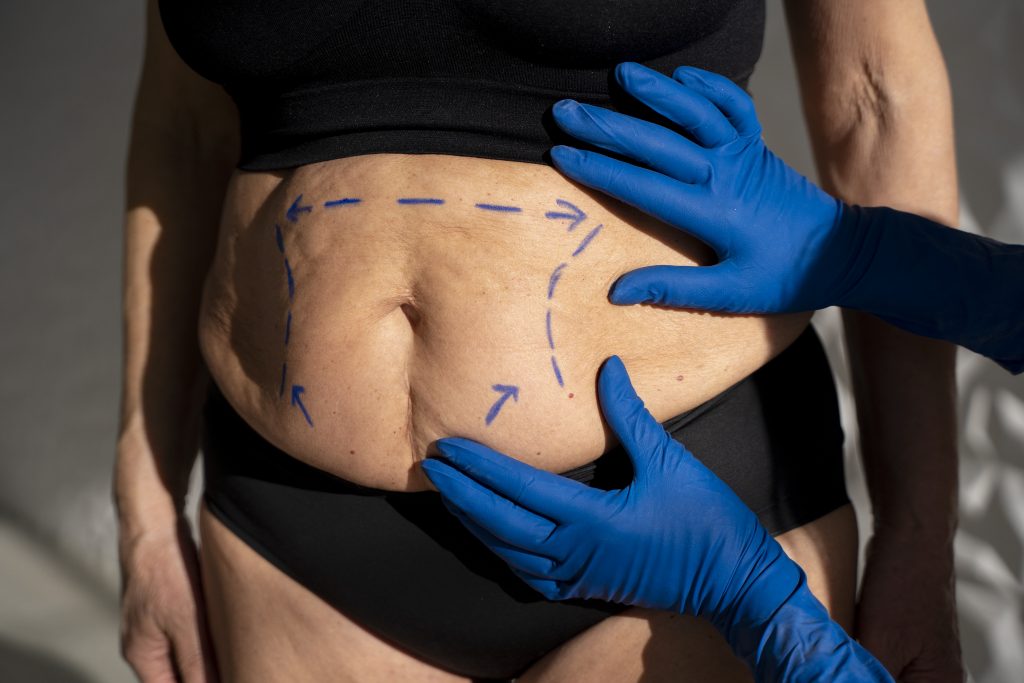
Lower abdominal fat remains one of the most frustrating body concerns for both men and women. Hours in the gym and careful meal planning often reduce overall weight, but the bulge below the navel stubbornly remains. Why does this happen, and what can be done about it?
Modern cosmetic procedures, particularly liposuction, provide a targeted answer when lifestyle changes alone prove insufficient. To understand this, it is helpful to examine the biological, hormonal, and lifestyle reasons why this region is so resistant to change.
Biological Reasons Behind Stubborn Lower Belly Fat
Unlike other body areas, the lower abdomen has unique characteristics that make fat more difficult to lose:
- Alpha-2 receptors dominate in this region, slowing down fat release.
- Fewer blood vessels mean less efficient fat mobilisation during exercise.
- Dense fat structure resists shrinkage compared with softer fat in the face or arms.
This explains why someone may lose centimetres from their waist yet still notice an unchanged bulge at the very bottom of the stomach.
Hormonal Influences That Keep Fat in Place
Hormones play a central role in fat storage patterns. Common contributors include:
- Cortisol (stress hormone): Prolonged stress encourages central fat storage.
- Insulin: Frequent spikes from high-sugar diets promote abdominal fat gain.
- Oestrogen: Shifts during menopause move fat from hips and thighs to the stomach.
- Testosterone decline: Men often notice more belly fat as testosterone levels fall with age.
Hormonal imbalance can make this region particularly difficult to reshape, even when calories are reduced.
How Age Affects Lower Abdominal Fat
Metabolism slows naturally as people get older, and fat in the stomach tends to be the first to appear. Age-related changes include:
- Reduced muscle mass, lowers daily calorie burn.
- Skin laxity, creates the appearance of a fuller belly even with minor fat deposits.
- Shifts in body composition, where fat gradually replaces lean tissue.
This combination means that the same lifestyle that once maintained a flat stomach may no longer suffice in later decades.
Genetics and Family Traits
Some people simply inherit a tendency to hold fat in the stomach. If close family members carried extra weight below the navel, the likelihood of inheriting the same pattern increases. While genetics do not dictate destiny, they set a baseline that makes the lower abdomen harder to change through lifestyle alone.
Lifestyle Habits That Reinforce Belly Fat
Daily choices influence abdominal fat retention. Problematic habits often include:
- Sedentary behaviour: Long periods of sitting weaken abdominal muscles.
- Poor sleep patterns: Inadequate rest disrupts appetite-regulating hormones, leading to overeating.
- Alcohol consumption: Even moderate intake can lead to fat accumulation around the waist.
- High stress levels: Linked with emotional eating and higher cortisol production.
Addressing these habits may reduce fat slightly, but many people still find the lower abdomen resistant.
Why Exercise Alone Cannot Target the Lower Abdomen
Many people believe doing hundreds of sit-ups or planks will “burn” fat in the stomach. In reality, spot reduction is a myth. Fat loss works systemically, not locally.
- Abdominal workouts strengthen muscles but do not burn the overlying fat.
- Cardio burns calories but cannot selectively target fat cells in the lower abdomen.
- Even professional athletes often carry small amounts of resistant fat in this region.
This is why many people achieve lean arms, defined shoulders, or slimmer legs, but still struggle with the lower stomach.
Liposuction: A Precise Solution
When lifestyle methods reach their limit, liposuction offers an effective medical alternative. The procedure works by:
- Making tiny incisions in discreet areas near the lower abdomen.
- Inserting a thin cannula to gently loosen fat cells.
- Suctioning out fat permanently, reshaping the abdominal contour.
Unlike dieting, which shrinks fat cells, liposuction removes them altogether, creating long-lasting results.
Modern Liposuction Techniques
Advancements in surgical methods mean safer procedures and better outcomes. Techniques include:
- Tumescent liposuction: Involves fluid injection to minimise bleeding and discomfort.
- Ultrasound-assisted liposuction (UAL): Uses ultrasonic energy to liquefy fat before removal.
- Power-assisted liposuction (PAL): Reduces surgeon effort and allows smoother results.
With these techniques, most patients can:
- Resume light activity within a few days.
- Return to work in about a week.
- Expect final results within 3–6 months once swelling subsides.
Real-Life Results From Liposuction
Case studies show how liposuction changes lives:
- Case 1: Female, 45 years old – Despite a strict Pilates routine, she could not flatten her lower stomach. Liposuction removed resistant fat, improving her silhouette and posture.
- Case 2: Male, 52 years old – Hormonal shifts caused belly protrusion despite daily jogging. Liposuction restored a leaner profile, allowing him to feel more comfortable in business attire.
Both cases highlight how the procedure addresses concerns that lifestyle changes alone cannot.
Myths And Misunderstandings
Several misconceptions surround liposuction:
- Myth 1: Liposuction is for weight loss.
- Fact: It is for body contouring, not overall weight reduction.
- Fact: It is for body contouring, not overall weight reduction.
- Myth 2: Fat always returns.
- Fact: Fat cells removed are gone permanently, though weight gain can expand remaining ones.
- Fact: Fat cells removed are gone permanently, though weight gain can expand remaining ones.
- Myth 3: Recovery is long and painful.
- Fact: Modern methods reduce downtime significantly.
- Fact: Modern methods reduce downtime significantly.
Combining Liposuction With Other Procedures
Sometimes liposuction alone does not address loose skin. In such cases, options include:
- Mini tummy tuck: Removes mild skin excess below the navel.
- Full abdominoplasty: Tightens muscles and removes significant loose skin.
A personalised consultation helps determine whether fat removal alone is sufficient or if additional treatments will provide a more complete outcome.
Emotional Benefits of Addressing Lower Belly Fat
The impact of stubborn fat is not just physical; it is also emotional. Patients often describe:
- Increased confidence in clothing choices.
- Willingness to socialise more freely.
- Renewed motivation to maintain healthy lifestyle habits.
The psychological boost following liposuction frequently matches or exceeds the physical benefits.
Final Thoughts
Lower abdominal fat persists due to biological, hormonal, age-related, lifestyle, and genetic factors. While healthy habits can improve overall wellness, they may not always positively impact this specific area. Liposuction offers a targeted and lasting solution for patients seeking to refine their body contour and regain confidence. With advanced techniques, skilled surgical planning, and realistic expectations, the procedure delivers safe, natural, and rewarding outcomes.
About EIPS And Dr Stavrou
EIPS – European Institute of Plastic Surgery, led by Dr Demetris Stavrou, provides advanced cosmetic and reconstructive procedures. Dr Stavrou is a board-certified plastic surgeon trained internationally, known for combining scientific precision with an artistic approach to aesthetics. Each patient receives a customised plan based on their goals and anatomy. With modern facilities, a skilled medical team, and an emphasis on safety and natural results, EIPS has earned a reputation as a trusted centre for those considering liposuction and other plastic surgery treatments.


