

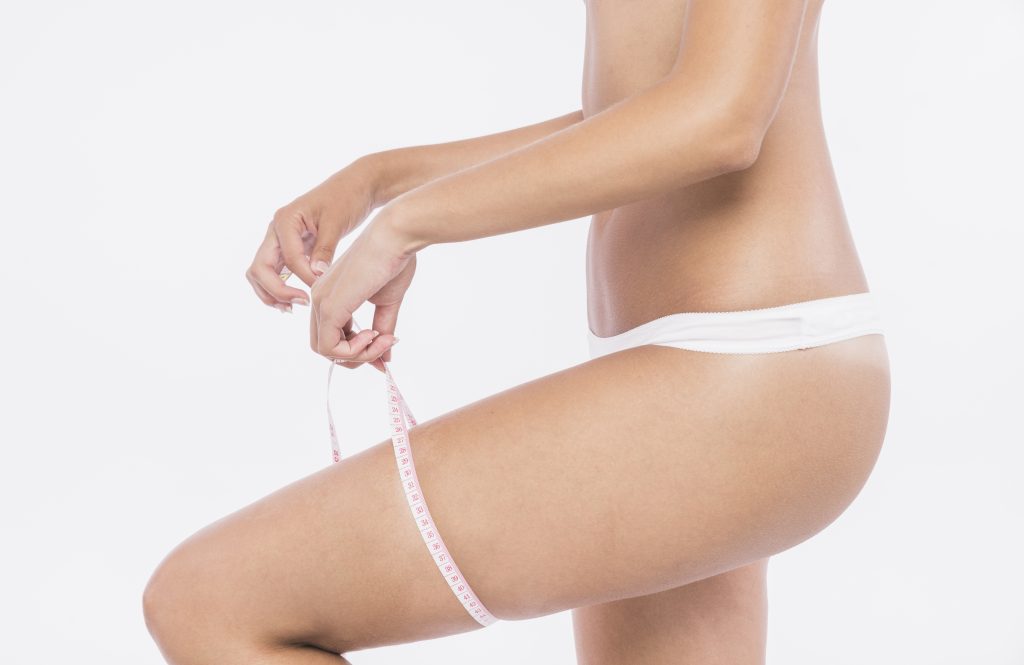
Many people spend countless hours exercising and maintaining a careful diet yet remain unhappy with the appearance of their thighs. The inner and outer thigh areas, in particular, often store stubborn fat that resists even the strictest fitness regimes. Thigh liposuction has become a reliable option for patients seeking to reshape their legs, achieve a more balanced appearance with the rest of their body, and feel more confident in their clothing. But how do you know if this treatment is the right option for you?
Here are seven clear signs that suggest you may be an ideal candidate.
1. You Have Localised Fat Deposits
The most obvious sign that someone might benefit from thigh liposuction is the presence of isolated fat pockets. These bulges may persist even after significant weight loss.
- Inner thighs: Fat here often causes legs to rub together when walking.
- Outer thighs: Sometimes referred to as “saddlebags,” these deposits can make the hips appear wider than they are.
- Front or back of thighs: Less common but still bothersome for many.
Patients often report that, although the rest of their body appears toned, their thighs do not show the same progress. Liposuction specifically targets these areas, reshaping contours that exercise alone cannot address.
2. You’re Close To Your Ideal Weight
Thigh liposuction is most effective for patients who are already at or near their ideal weight. It is a body contouring procedure, not a weight-loss solution. Candidates who see the most success often fall within 10–15% of their recommended weight.
Why does this matter? Removing fat cells improves shape but does not significantly change overall body weight. Those expecting dramatic weight reduction may be disappointed, while those seeking refinement are usually thrilled with their outcome.
3. You Have Good Skin Elasticity
Skin quality plays a vital role in determining results. After fat removal, the skin needs to retract smoothly to the new contour. Individuals with firm, elastic skin typically achieve the most natural-looking outcome.
- Younger patients tend to have more resilient skin, although age is not the only factor.
- Non-smokers typically enjoy better healing and skin recovery.
- Those with minimal sun damage often see improved retraction.
If skin laxity is significant, a surgeon may suggest combining liposuction with a thigh lift to address both fat and excess tissue.
4. You’re In Good Overall Health
Safety always comes first. Surgeons recommend thigh liposuction only for patients in generally good health. Ideal candidates usually:
- Do not have uncontrolled medical conditions such as diabetes or heart disease.
- Are free from active infections or blood-clotting disorders.
- Maintain realistic expectations about the procedure and recovery.
Healthy individuals heal faster and face fewer risks during and after surgery.
5. You’ve Tried Lifestyle Changes First
Surgeons often ask: Have you already attempted diet and exercise? Liposuction should not be a substitute for healthy habits. Instead, it is meant for those who made genuine efforts to slim down yet still struggle with disproportionate thighs.
A personal anecdote from a former patient illustrates this point. Despite years of running marathons, she could not reduce the bulk on her outer thighs. Liposuction removed the resistant fat, giving her legs the streamlined appearance that her training alone could not achieve.
6. You Feel Self-Conscious About Thigh Shape
Appearance affects confidence. Candidates often report frustration with:
- Clothing that fits everywhere except the thighs.
- Reluctance to wear shorts or swimwear.
- Feeling their legs look out of proportion to the rest of their body.
When this discomfort begins to influence social life, professional settings, or self-image, thigh liposuction can offer more than physical change. It can restore confidence and improve everyday comfort.
7. You Understand The Recovery And Results
Ultimately, the best candidates are those who understand the procedure’s limitations and capabilities. Liposuction reshapes contours but does not prevent future weight gain. Results last when paired with a balanced diet and consistent physical activity.
Recovery involves:
- Compression garments for several weeks to control swelling.
- Bruising and soreness during the first few days.
- Return to light work within a week, though full exercise usually waits three to four weeks.
Patients who accept these realities and prepare accordingly usually feel most satisfied.
Bonus Consideration: Men vs Women
Though thigh liposuction is often associated with women, many men also benefit. Male patients sometimes carry fat on the inner thigh or upper leg that resists gym training. By addressing these regions, surgeons create a more athletic and balanced profile.
Benefits Beyond Aesthetic Improvement
Candidates considering thigh liposuction often find the benefits extend far beyond cosmetic appearance.
- Comfort: Less friction between thighs can reduce irritation during walking or exercise.
- Proportion: Slimmer thighs create better balance with the waist, hips, and calves.
- Clothing fit: Skirts, trousers, and shorts fit more comfortably.
- Confidence: Patients frequently report feeling more at ease in social and professional situations.
Myths About Thigh Liposuction
Several misconceptions often circulate:
- Myth: Liposuction removes cellulite.
- Truth: It improves contour but does not erase cellulite.
- Truth: It improves contour but does not erase cellulite.
- Myth: Results are temporary.
- Truth: Fat cells removed are gone permanently, though new weight gain can enlarge remaining ones.
- Truth: Fat cells removed are gone permanently, though new weight gain can enlarge remaining ones.
- Myth: It is only for young people.
- Truth: Older adults with good health and skin elasticity can also be excellent candidates.
- Truth: Older adults with good health and skin elasticity can also be excellent candidates.
Risks To Be Aware Of
Like any surgery, thigh liposuction carries some risks, though serious complications are rare. These may include:
- Bruising or swelling in the treated area.
- Temporary numbness or uneven contours.
- Rare complications such as infection.
Choosing a board-certified, experienced surgeon reduces these risks significantly.
How To Decide If You’re Ready
So, how can you determine whether thigh liposuction is the right step? Ask yourself:
- Do I have stubborn fat deposits on my thighs despite diet and exercise?
- Am I close to my target weight?
- Is my skin elastic enough to retract after fat removal?
- Am I in good health with realistic expectations?
- Have I considered the recovery timeline and long-term maintenance?
If the answer to most of these questions is yes, you are likely a strong candidate.
To Sum Up
The ideal thigh liposuction candidate typically has localized fat deposits, good skin elasticity, a stable body weight, and realistic expectations about the results. They have attempted lifestyle changes, remain in good health, and understand the recovery process. By meeting these criteria, patients give themselves the best chance at smooth, long-lasting results that improve both confidence and comfort.
EIPS, led by Dr Demetris Stavrou, offers advanced cosmetic and reconstructive treatments tailored to each patient’s needs. Dr Stavrou is a board-certified surgeon with international training, known for combining precision with artistry to achieve natural results. Through personalised care, modern facilities, and a skilled medical team, EIPS ensures that each thigh liposuction procedure prioritises safety, comfort, and satisfaction.


