

People often look in the mirror and wonder whether sagging eyelids or persistent puffiness will ever truly go away. Blepharoplasty, widely known as eyelid surgery, has become one of the most requested cosmetic procedures for those aiming to refresh their appearance. Yet one question arises time and time again: how long do the results really last?
The answer is not straightforward. Some individuals enjoy youthful results for over a decade, while others notice changes sooner. By examining surgical factors, patient lifestyle, and natural ageing, this article will clarify what to expect after blepharoplasty and why outcomes differ from person to person.
Why Eyelids Change Over Time
The eyelids are among the most delicate areas of the face. Their skin is thinner than almost anywhere else, meaning early signs of ageing show up quickly. Gravity, genetics, and environmental stress combine to create drooping lids, puffiness, and wrinkles.
Collagen and elastin decline with age, resulting in reduced skin firmness. At the same time, fat pads behind the eyelids may protrude, giving a tired appearance. Have you ever noticed that even with sufficient rest, puffiness can still appear permanent? That’s one of the reasons people consider surgical correction.
How Blepharoplasty Works
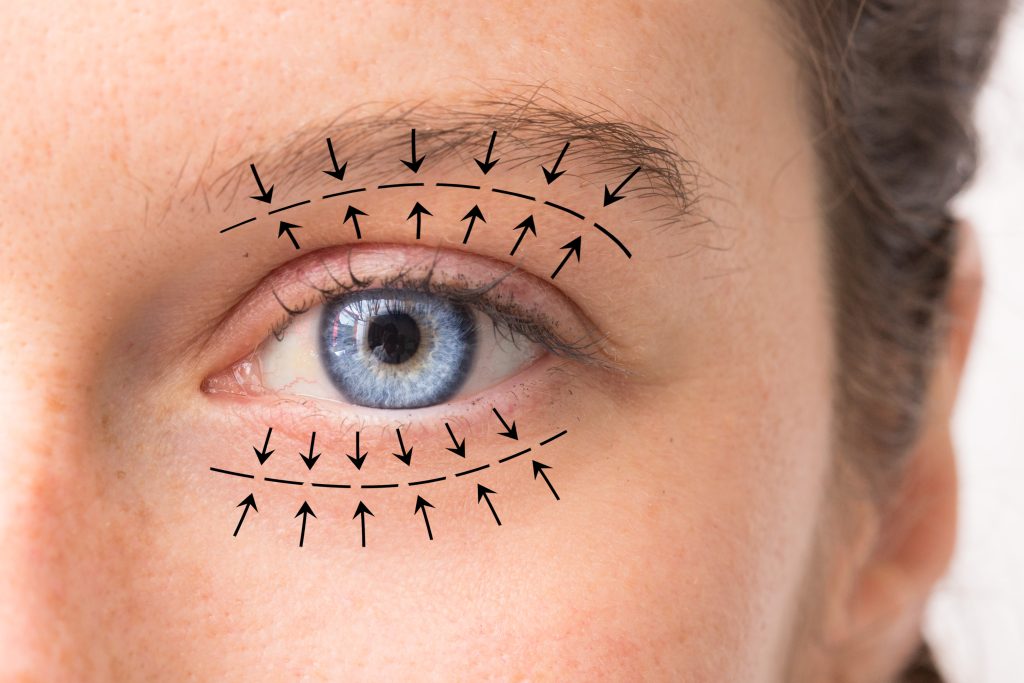
Blepharoplasty involves removing excess skin, trimming or repositioning fat, and tightening underlying muscles around the upper and/or lower eyelids. The objective is not just cosmetic; in severe cases, upper eyelid sagging may even obstruct vision.
Surgeons plan incisions carefully to hide scars in natural folds or lash lines. Healing generally progresses quickly, with swelling subsiding over weeks and scars fading over months. While early results can feel almost immediate, the bigger question is longevity.
Factors Influencing Longevity
So, how long do blepharoplasty results last? A range of elements influence this timeline:
Factor | Effect on Longevity |
Age at time of surgery | Younger patients tend to maintain results longer due to better skin elasticity. |
Genetics | Family history of drooping eyelids or fat deposits can shorten the duration of results. |
Skin quality | Thicker, more elastic skin responds better and resists sagging. |
Lifestyle | Smoking, poor diet, and excessive sun exposure can speed up ageing signs. |
Surgical technique | Precision in fat repositioning and muscle tightening often prolongs outcomes. |
This variation explains why two people having surgery in the same year may look different ten years later.
Average Duration of Results
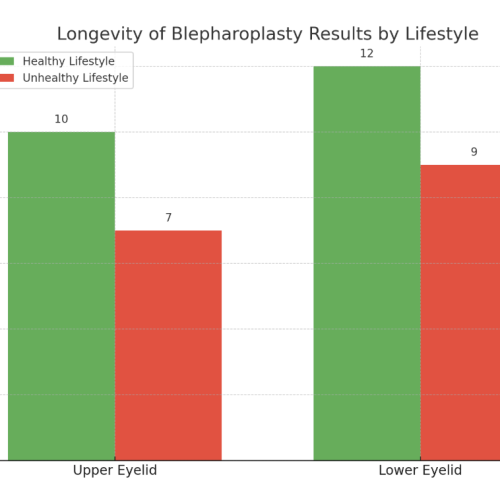
On average, upper eyelid surgery results can last 7–10 years, while lower eyelid surgery often provides improvements that extend beyond a decade. Some patients retain a refreshed look for life, particularly if they maintain healthy habits.
Why is there a difference betweenthe upper and lower eyelids? Lower eyelids are less affected by gravity and daily movement. Upper eyelids, by contrast, are constantly lifting, blinking, and moving, which gradually stretches skin and tissues.
The Role of Lifestyle
A healthy lifestyle dramatically influences longevity. Sun protection prevents ultraviolet damage, which otherwise accelerates skin sagging. A balanced diet rich in antioxidants aids tissue repair. Sleep quality also matters: chronic sleep deprivation often leads to swelling around the eyes, masking surgical improvements.
One could ask, if someone undergoes blepharoplasty but continues smoking heavily, will the results hold? Evidence suggests they won’t. Nicotine reduces blood flow and weakens skin, quickening drooping.
Non-Surgical Maintenance Options
Although blepharoplasty provides surgical correction, non-surgical treatments can extend the life of results. Options include:
- Botulinum toxin injections: relax muscles that create wrinkles around the eyes.
- Dermal fillers: restore lost volume in tear troughs, softening hollow shadows.
- Laser resurfacing: tightens skin and improves texture.
- Medical-grade skincare: promotes collagen production and hydration.
Patients often ask whether combining these methods with surgery is worthwhile. For many, the answer is yes, since maintenance treatments reduce the need for revision surgery.
Revision Surgery: When and Why
Even with meticulous care, tissues eventually succumb to natural ageing. Revision blepharoplasty may be considered after 10–15 years if sagging or puffiness returns. However, repeat procedures are usually less extensive than the initial one.
It is worth asking yourself: would you rather wait until signs fully reappear, or plan minor adjustments earlier? The answer depends on personal tolerance for visible ageing and professional or social considerations.
Visual Guide: Comparing Timelines
Suggested Infographic:
A side-by-side chart showing the typical longevity of upper vs. lower blepharoplasty, with lifestyle factors (healthy vs. unhealthy) extending or shortening the timeline.
Patient Expectations vs. Reality
Many individuals expect surgery to “freeze time.” Realistically, blepharoplasty turns back the clock but does not stop it. Patients should expect natural ageing to continue, just from a younger-looking baseline.
Imagine two twins at age 55, one of whom underwent surgery at 45. Both will age further, but the operated twin often continues to appear younger than the sibling who never had the procedure.
Psychological Impact of Long-Term Results
The benefits extend beyond appearance. Restored confidence, improved self-image, and in some cases, better vision create life-enhancing changes. Patients often report feeling more at ease in professional settings or social gatherings. One man even noted that colleagues asked if he had taken a holiday, reflecting the subtle but meaningful effect of the operation.
Maintaining Results: Practical Steps
Patients who wish to extend the life of their results should consider:
- Daily sun protection with sunglasses and SPF creams.
- Adequate hydration to keep skin supple.
- Balanced nutrition with lean protein, vitamins, and minerals.
- Consistent sleep patterns to minimise under-eye puffiness.
- Regular check-ups with their cosmetic surgeon.
These everyday actions may sound simple, yet their cumulative effect often determines whether results last 7 years or 15.
Comparing Blepharoplasty to Other Procedures
How does blepharoplasty compare to other facial surgeries in terms of longevity? Facelifts generally last 8–12 years, brow lifts around 7–10, while nose surgery often provides permanent results. Eyelid surgery falls into the middle, giving substantial but not permanent correction.
This comparison helps patients plan. For those seeking multiple procedures, sequencing them appropriately can maximise overall facial harmony.
Myths About Longevity
- “Results are permanent.” They are long-lasting but not lifelong.
- “Once fat is removed, it never returns.” Ageing can cause new fat displacement.
- “Everyone needs revision surgery.” Many patients never require it.
- “Non-surgical treatments can replace blepharoplasty.” They can maintain but not replicate surgical correction.
The Role of the Surgeon
Surgical technique cannot be overstated. Precision in fat repositioning, accurate incision placement, and careful closure of tissues all influence how results age. Patients should carefully select surgeons with proven experience. At EIPS, Dr Stavrou, our board-certified surgeon, combines medical expertise with aesthetic artistry, delivering outcomes that remain natural-looking and long-lasting.
Final Thoughts
So, how long does blepharoplasty last? Typically 7–10 years for upper eyelids and often more than a decade for lower eyelids. Yet the exact number depends on age, genetics, and lifestyle. Surgery sets back the clock, but everyday habits determine how slowly it ticks forward again.
For individuals considering blepharoplasty, the procedure offers more than aesthetic change; it provides confidence, improved functionality, and often a sense of renewed vitality. Understanding that ageing continues, but from a refreshed starting point, ensures satisfaction with long-term results.


