

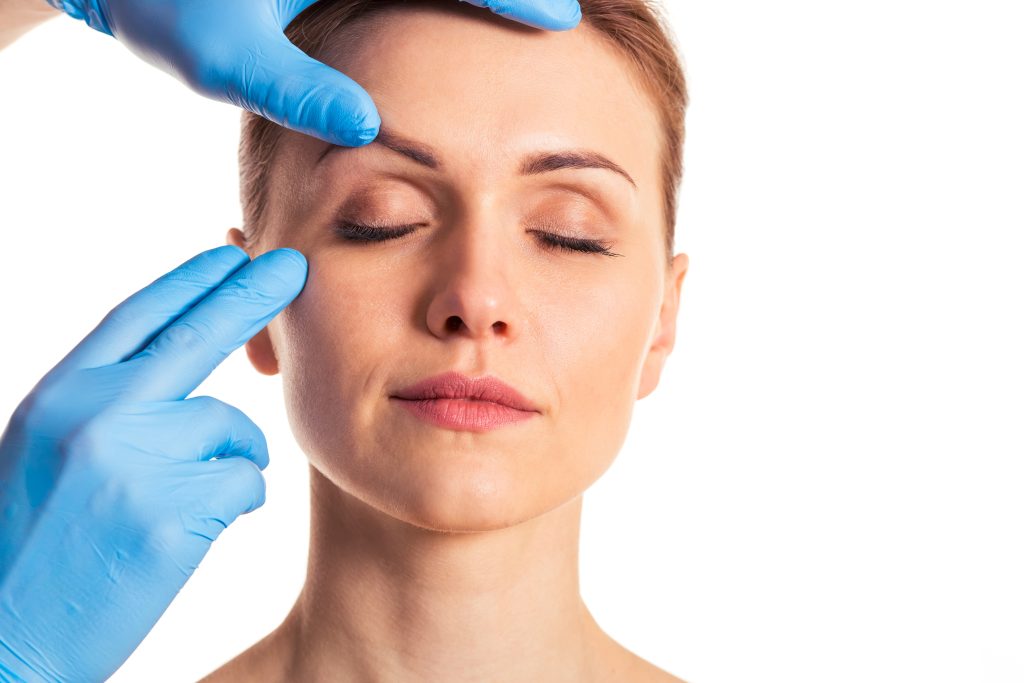
Ageing eyes can change the way a face is perceived, sometimes making people look tired, stressed, or even unapproachable. Two of the most common treatments aimed at restoring a youthful appearance around the eyes are blepharoplasty and Botox. Both methods promise a refreshed look, yet they differ greatly in approach, duration, and overall outcome.
But which one is best suited to your needs? Understanding the contrast between surgery and injectables helps set realistic expectations. Let’s explore what separates them and how to determine the right choice.
What Is Blepharoplasty?
Blepharoplasty, often referred to as eyelid surgery, is a procedure designed to remove or reposition excess skin and fat around the eyelids. It targets sagging lids, puffiness, and under-eye bags, issues that cannot be fully resolved with creams or injections.
At EIPS, Dr Stavrou, a board-certified surgeon, carries out blepharoplasty with precision, ensuring scars are discreetly hidden in natural folds. Patients not only look younger but, in some cases, also regain clearer vision when drooping lids obstruct their sight.
What Is Botox?
Botox, or botulinum toxin injections, works by temporarily relaxing targeted facial muscles. Around the eyes, this smooths out fine lines such as crow’s feet and softens wrinkles caused by repetitive movement. Treatment sessions take minutes, require no downtime, and effects typically last three to six months.
Although it cannot remove excess skin, Botox excels at preventing new wrinkles from deepening. It’s often described as a maintenance treatment, ideal for people noticing the early stages of ageing.
Comparing the Two Approaches
Aspect | Blepharoplasty | Botox |
Invasiveness | Surgical | Non-surgical |
Recovery time | Several weeks | Minimal downtime |
Longevity | 7–10 years or more | 3–6 months |
Main focus | Sagging skin, fat deposits | Wrinkles caused by muscle movement |
Cost (long-term) | Higher upfront, but lasting | Lower per session, recurring expense |
This side-by-side comparison highlights why decision-making depends not just on budget or downtime but also on the type of concern being treated.
How Long Do Results Last?
One of the most striking differences between the two is longevity. Blepharoplasty can produce results that remain visible for years, often a decade or longer. Botox, by contrast, needs regular top-ups to maintain its effect.
Have you ever wondered whether a single surgery is more cost-effective than years of injections? For many, the long-term nature of blepharoplasty offers peace of mind, despite the initial recovery period.
Patient Profiles: Who Is Better Suited?
- Ideal for Blepharoplasty: Patients with drooping lids, loose skin, or puffiness that makes them look tired even when well-rested.
- Ideal for Botox: Individuals with fine lines from expression, such as smiling or squinting, who want subtle correction without surgery.
Case example: A 45-year-old woman bothered by persistent under-eye bags saw no improvement with injectables. After lower blepharoplasty, her face looked more rested for years. Conversely, a 36-year-old man with early crow’s feet chose Botox, finding the short procedure fit well with his schedule and budget.
The Role of Age
Age influences both choice and effectiveness. Younger patients may prefer Botox to prevent deeper wrinkles. Older patients with significant sagging often find surgery unavoidable. That said, age alone is not the only factor, skin quality, lifestyle, and genetics matter just as much.
Have you noticed how some individuals in their fifties look younger than friends in their forties? That difference comes down to biology and lifestyle choices. The same principle applies when deciding between Botox and blepharoplasty.
Cost Over Time
An often-overlooked factor is long-term financial investment. Blepharoplasty requires a higher upfront fee, but its results last for years. Botox appears less costly initially, yet repeated treatments add up over time.
A simple calculation shows that after ten years of consistent Botox injections, total expenses may exceed the cost of one surgery. Patients must ask themselves: do I prefer smaller payments spread out or a single investment with lasting results?
Combining Both Treatments
Interestingly, many patients choose both. Surgery corrects sagging or puffiness, while Botox prevents wrinkles from worsening. This combination can extend the life of blepharoplasty results and produce a balanced, youthful appearance.
Picture this: eyelid surgery restores firmness, then Botox smooths the fine lines around the eyes. Together, the results appear more harmonious and long-lasting.
Recovery Experiences
Blepharoplasty requires rest. Bruising and swelling generally improve within weeks, though final results emerge gradually. Patients must plan time off work and avoid strenuous activity.
By contrast, Botox allows patients to return to daily life immediately. Some may even book sessions during a lunch break. Which approach appeals more: a quick fix with repetition, or a longer recovery with lasting results?
Emotional Impact
Appearance influences confidence. Patients often report feeling more approachable, energetic, and self-assured after either treatment. One woman in her early sixties shared how blepharoplasty gave her the courage to return to dating after years of feeling self-conscious. Another patient, a man in his late thirties, explained how Botox helped him appear less stern during business meetings, improving professional interactions.
These stories illustrate that choosing between blepharoplasty and Botox is not just about aesthetics; it’s about how people feel in daily life.
Visual Aid: Decision Pathway
Suggested Infographic:
A flow chart starting with the question: “Do you have sagging skin or bags?”
- If yes → Blepharoplasty.
- If no, but wrinkles appear when smiling → Botox.
- If both → Combination of the two.
This simple decision tree helps patients quickly identify the right path based on their main concerns.
Setting Realistic Expectations
Neither procedure halts ageing completely. Botox wears off, and blepharoplasty eventually succumbs to natural tissue changes. What matters is setting achievable expectations. Patients who see treatment as a reset rather than a permanent fix are often the most satisfied.
Think of it this way: both options buy time. How much time you want depends on the choice you make.
The Surgeon’s Perspective
Dr Stavrou stresses that consultation is key. During appointments at EIPS, he evaluates not just the visible concerns but also skin elasticity, medical history, and patient goals. His role is to recommend the safest, most effective plan, whether surgical, non-surgical, or a combination.
The reassurance of speaking with an experienced, board-certified surgeon makes a significant difference in outcomes. Expertise ensures results look natural, not artificial.
To Sum Up
So, which is right for you, blepharoplasty or Botox? Surgery offers long-lasting correction for sagging and puffiness, while injections provide quick, temporary relief for wrinkles. Many find the combination delivers the most balanced results.
Ultimately, the best decision is made through a thoughtful conversation with a qualified professional. At EIPS, patients receive guidance from Dr Stavrou, whose experience and precision help them achieve results that reflect their goals.


